
Understanding the psychology behind decision-making in the casino environment
The Allure of Casinos and Their Influence on Choices
Casinos are designed to captivate and immerse players in an environment that encourages decision-making. From the moment individuals step inside, they are surrounded by vibrant lights, enticing sounds, and the thrill of potential rewards. This carefully crafted atmosphere can lead to impulsive choices, as players often find it challenging to resist the allure of immediate gratification. In this context, many look for top casino sites to enhance their experience.
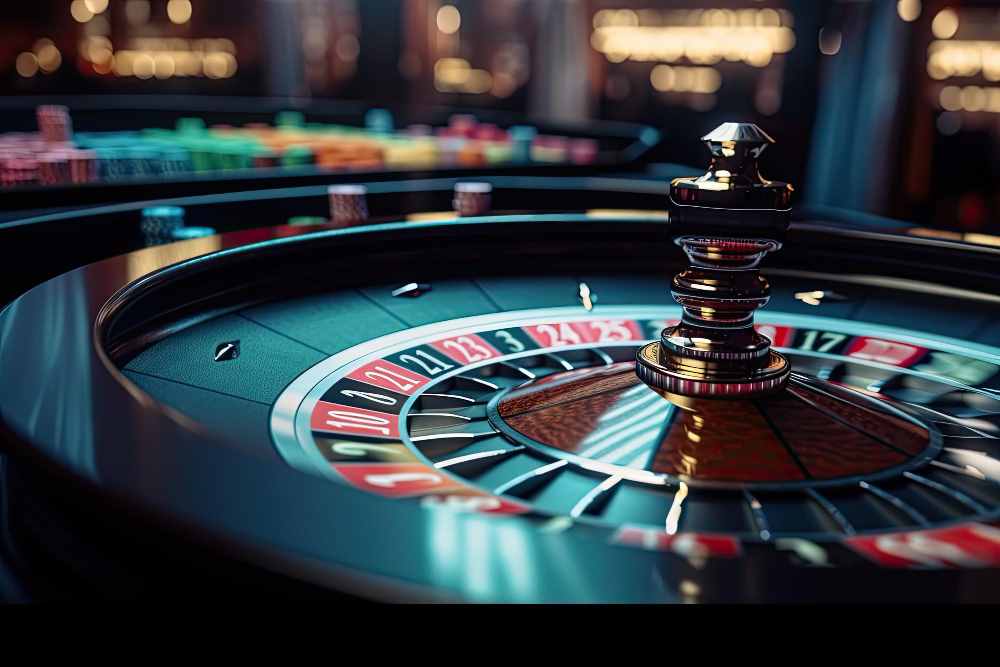
Understanding this allure is crucial for grasping how the casino environment influences decisions. The excitement generated by games can trigger dopamine release in the brain, making players feel euphoric. Consequently, this biochemical response can lead to a cycle of risk-taking behavior, where the desire to win overshadows rational thinking.
The Role of Cognitive Biases in Gambling Decisions
Cognitive biases play a significant role in how players make decisions in a casino setting. Confirmation bias, for instance, leads individuals to favor information that confirms their beliefs about winning strategies while ignoring contrary evidence. This bias can reinforce a player’s perception of luck or skill, even when the odds are statistically unfavorable.
Another common bias is the gambler’s fallacy, where players believe that past events will influence future outcomes. For example, a player might think that a particular slot machine is “due” for a payout after a series of losses. Such misconceptions can result in poor decision-making and increased financial risk.
The Impact of Emotional State on Gambling Choices
A person’s emotional state significantly influences their decision-making process in casinos. Feelings of excitement, stress, or anxiety can alter a player’s judgment and lead to impulsive bets. For instance, when individuals are in a euphoric state due to a recent win, they may place larger bets, believing that their winning streak will continue.
Conversely, emotions such as frustration or sadness can lead to chasing losses, where players increase their bets in a desperate attempt to recover what they’ve lost. This emotional rollercoaster can cloud judgment, making it harder to make rational decisions.
The Social Environment and Peer Influence
Casinos are inherently social environments where peer interaction can influence decision-making. When players are surrounded by others who are winning or celebrating, they may feel compelled to join in and take similar risks, even if it goes against their better judgment. The desire for social acceptance can overshadow personal risk assessments.
This phenomenon is further amplified by the competitive nature of certain games. Players may feel pressured to make quicker decisions to keep up with their peers, leading to less thoughtful gambling strategies. Social dynamics in casinos can create a false sense of security, encouraging players to take risks they might avoid in isolation.

Ensuring Safety in the Casino Environment
While exploring the psychology of decision-making in casinos is fascinating, it is equally essential to consider player safety. Many platforms now offer secure environments designed to protect users from online threats while providing information about responsible gambling practices. Understanding the psychological triggers at play can empower players to make more informed decisions and promote a healthier gambling experience.
By recognizing the influences of cognitive biases, emotional states, and social pressures, players can cultivate a more balanced approach to gambling. Ultimately, fostering awareness about these psychological factors can enhance user safety while navigating the enticing world of casinos.